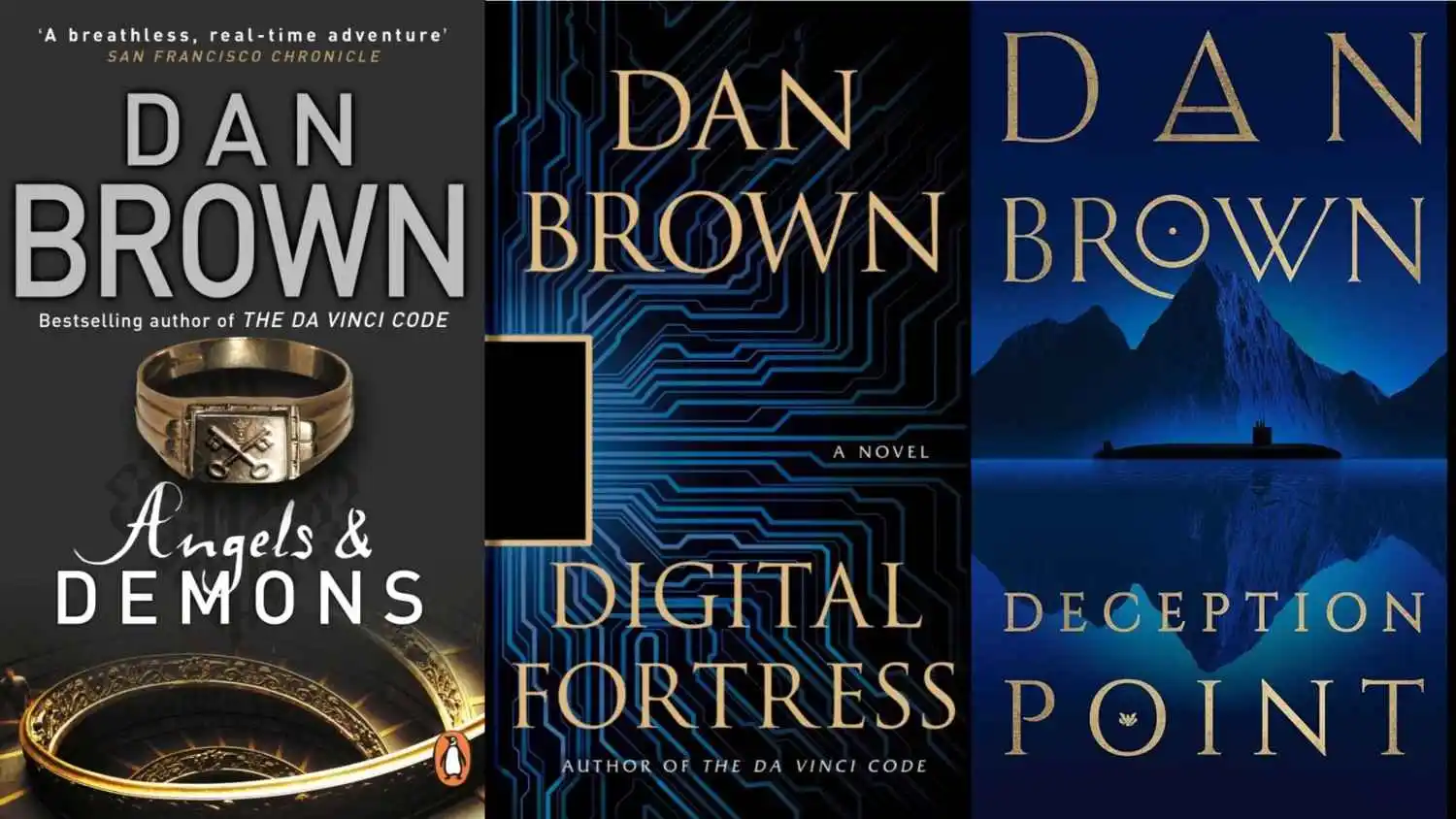
Dan Brown’s books are perfect for late nights and “just one more chapter” lies. They are fast, dramatic, and might even convince you that the world might end if you don’t solve the mystery by midnight.
Where do you start? Well, the books aren’t as interconnected as the Harry Potter series, but when you read Dan Brown‘s books in order, you get to see how the author keeps raising the stakes.
So, buckle up and get ready to find excuses to skip school or work because there’s nothing more torturous than an unfinished Dan Brown book. Whether you want to know what you’re getting into or want to get into the series completely blind, we’ve got you covered!
Dan Brown Books in Order of Their Series & Release Dates
Dan Brown has only covered one series – the Robert Langdon one. Named after the protagonist of the novel, this series has not only defined mystery thrillers for generations, but has also managed to do the unimaginable: get people genuinely interested in history and art.
The books in this series follow Robert Langdon, a Harvard professor who leads an adventurous life solving world-altering mysteries and uncovering secrets on a random Tuesday instead of grading student papers. He specializes in symbols, art, and history. So, of course, he is everyone’s go-to guy for stopping global disasters.
The books in this series include the following –
1. Angels & Demons (2000)
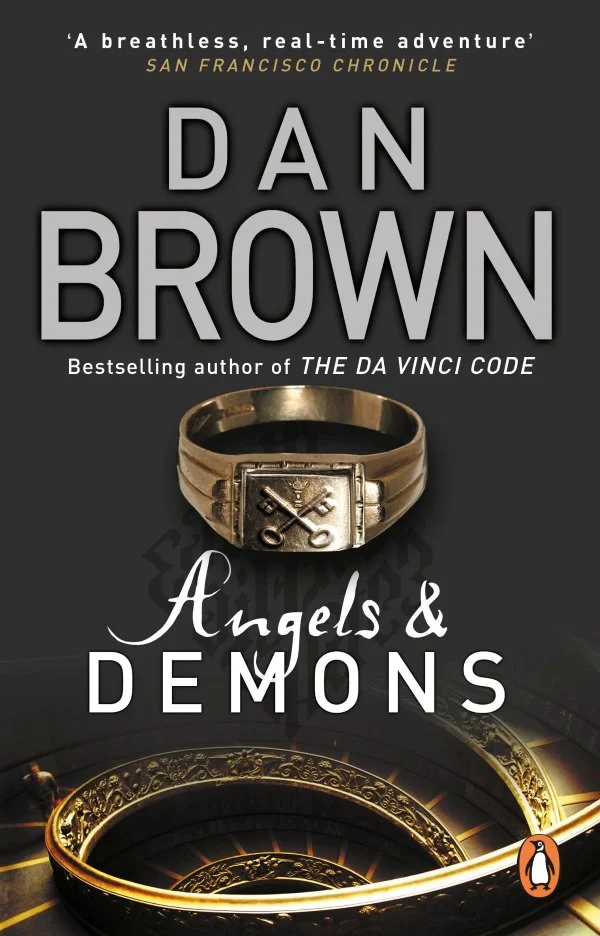
This is where it all starts. But surprisingly, this is not the first book many read.
To put the summary in a nutshell, the Vatican is in crisis, the Illuminati might be back, and someone just stole antimatter like it’s a random candy you steal from a baby.
Surprisingly, the entire story takes place in one single and very stressful night. Langdon runs through Rome decoding ancient Roman symbols while the clock aggressively counts down.
The book sets the tone for the whole series. You get the eternal debate of science vs. religion, secret societies, and chapters so gripping you don’t even realize you’ve read through ten in one go.
2. The Da Vinci Code (2003)
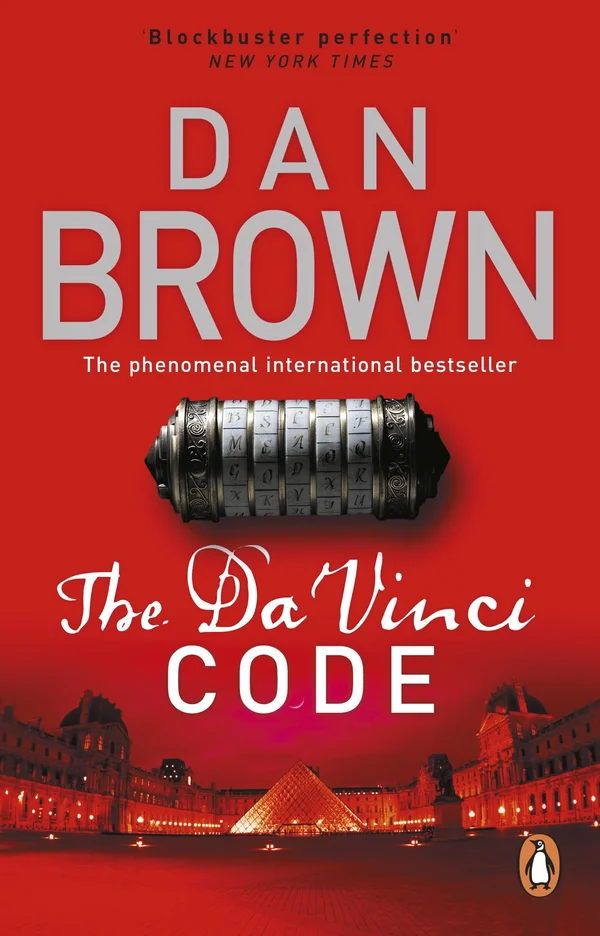
This is the infamous book that got so popular that it had people visiting art museums of all places! A murder in the Louvre becomes the catalyst for another thrilling adventure, including puzzle hunts, Leonardo da Vinci, secret codes, and one extremely persistent secret society.
The pacing is much better than the previous book. It’s fast and completely unapologetic.
Every chapter ends with a dramatic cliffhanger, as if the book will be personally offended if you stop reading. The Da Vinci Code is controversial, chaotic, wild, and peak Dan Brown.
3. The Lost Symbol (2009)
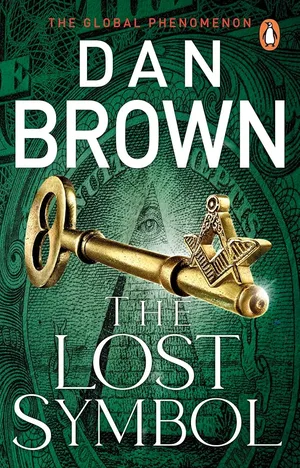
Even when Langdon isn’t sprinting around Europe and is just chilling in Washington, D.C., he just can’t catch a break. What starts as a harmless lecture invite turns into a full-blown race against time involving Freemasons, hidden symbols buried in American history, and a mentor in serious trouble.
Just another Tuesday for him. The Lost Symbol has a slower pace than The Da Vinci Code, but the mystery is more layered. If you enjoy decoding symbols over dodging assassins, this one’s your jam.
4. Inferno (2013)
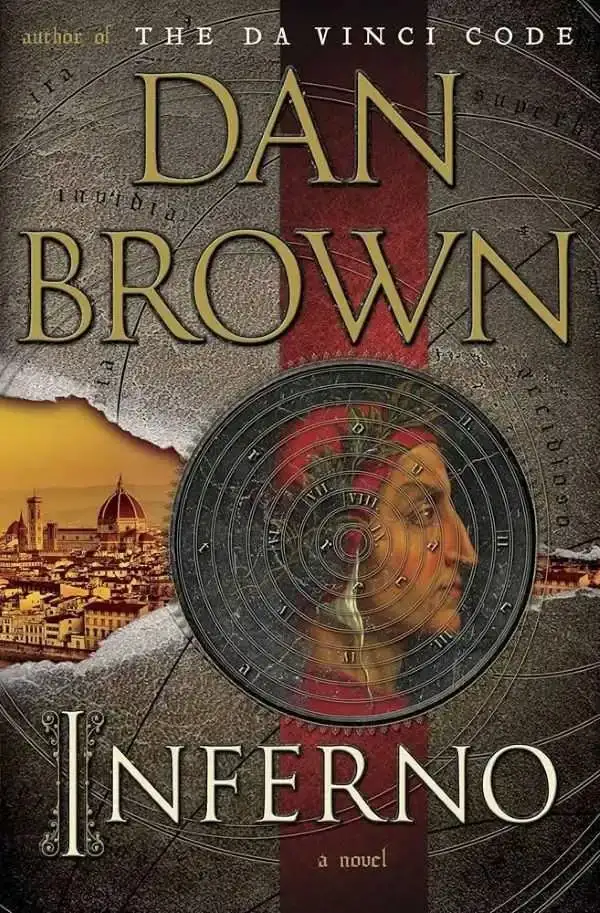
We meet Langdon once again, but this time he’s in a hospital with no memory. Definitely not a good start for him.
But before he can even process what’s happening, he’s already running through Italy chasing clues tied to Dante’s Inferno. The guy just can’t catch a break!
The book is unquestionably darker, grittier, with more urgency and higher stakes. The threat is global, the moral questions uncomfortable, and the tone less playful.
Inferno is the most intense book in the series. You can either admire its ambition or feel stressed reading it.
5. Origin (2017)
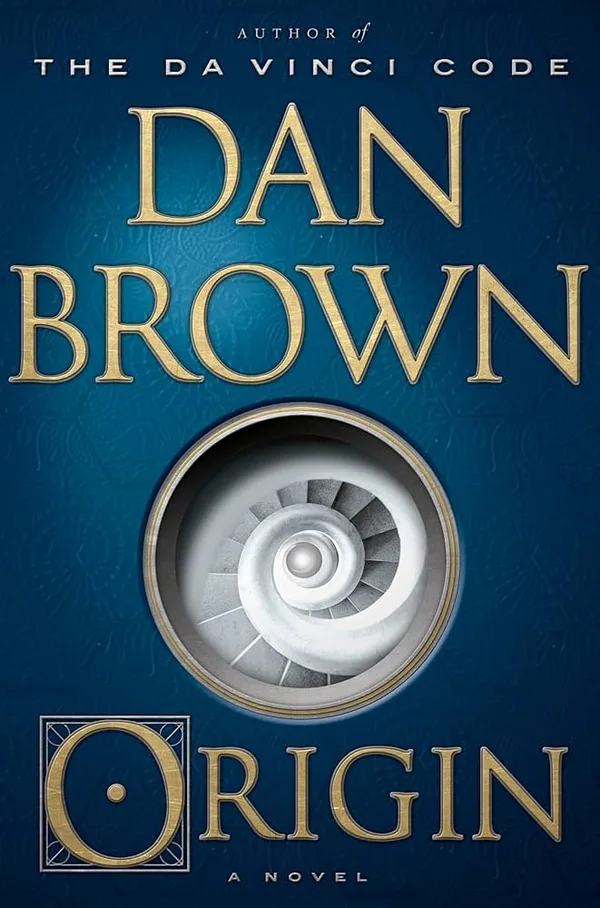
This is the latest installment in the Robert Langdon series so far. Ancient history takes a back seat here. Instead, the focus of the mystery shifts to science, technology, and the future of humanity.
Artificial intelligence plays a major role here. Why not? It’s everywhere now, even in Dan Brown’s books.
The big question isn’t about what’s hidden in the past, but what’s about to change everything. It’s sleek, tech-forward, and very “what happens in the future for humans?” coded.
Standalone Dan Brown Books in Order of Release Date
Before the Robert Langdon craze took over, Dan Brown was already obsessed with secrets and high-stakes information. These books stand alone and are not related to the main series.
1. Digital Fortress (1998)
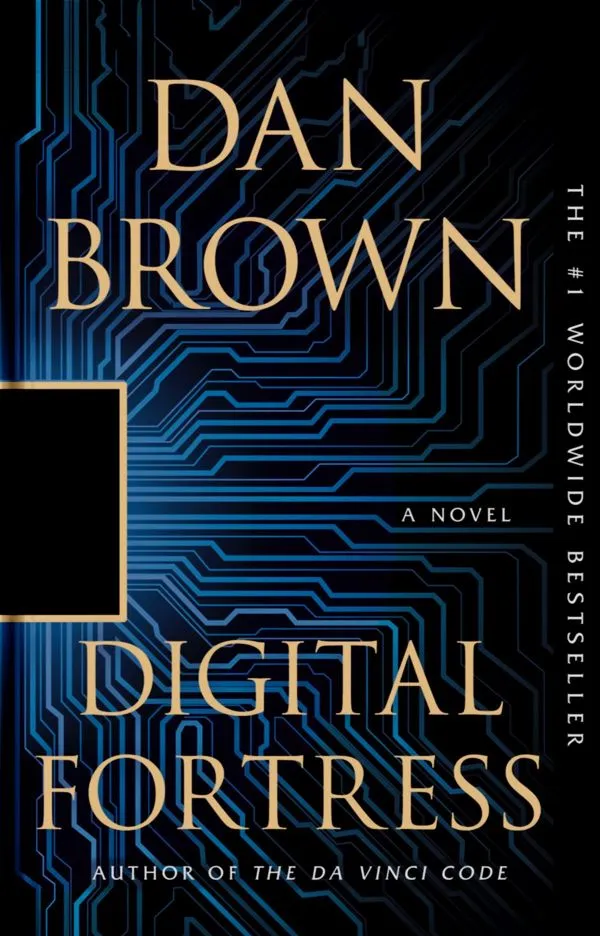
Dan Brown’s first novel is all about cryptography and digital surveillance. The story revolves around a code so powerful that it could break the whole internet as we know it.
Some of the tech is very late-90s, but the paranoia still works. It’s messy in places, but you can see the blueprint forming, even at this stage.
This is Dan Brown figuring out his voice in real time.
2. Deception Point (2001)
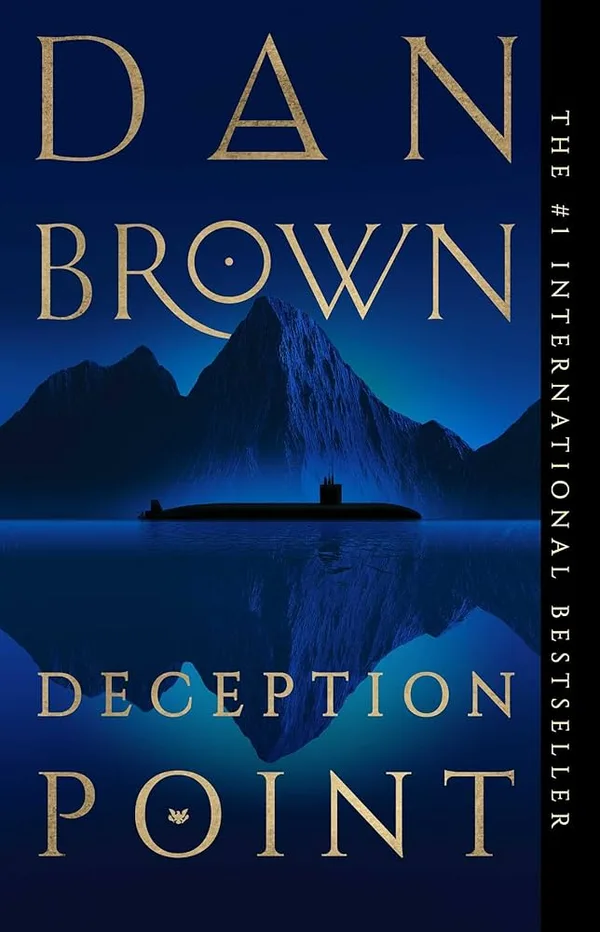
This one mixes politics, science, and a shocking discovery in the Arctic of all places! With the NASA, government agencies, and politicians all wanting control of the truth, you can imagine how messy things can get.
This book is more action-heavy than symbolic or an excuse for a history lesson. The twists come quickly, and alliances change often.
If you’re looking for a Dan Brown book that skips the religious debates, then this is the pick. It’s direct, dramatic, and built for speed.
Dan Brown Books in Order: TL;DR List Without the Commentary
Want to start your Dan Brown journey completely free of spoilers? Here’s a clean list of all the books you should be reading in the correct order:
- Digital Fortress (1998) – Standalone
- Angels & Demons (2000) – Robert Langdon Series
- Deception Point (2001) – Standalone
- The Da Vinci Code (2003) – Robert Langdon Series
- The Lost Symbol (2009) – Robert Langdon Series
- Inferno (2013) – Robert Langdon Series
- Origin (2017) – Robert Langdon Series
Do You Have to Read Dan Brown Books in Order?
Well, the books work best when you follow the reading order highlighted in this article. It’ll help you notice the subtle shift from historical puzzles to modern, future-focused questions.
But if you want to skip the order, it’s not going to take away from the whole experience. At least, you can read the standalones any time you want. They’re perfect if you’re not ready for the series commitment yet.
Dan Brown doesn’t write slow books. Every novel is designed to keep you flipping pages, whether you planned to or not.

Writer. Dreamer. Journalist (maybe?). Anime lover (definitely). I turn curiosity into stories and everyday life into a narrative worth reading.
Note: Some of the links on this page are affiliate links, which means we may earn a small commission if you choose to make a purchase through them-at no extra cost to you. We only recommend products and services we genuinely believe in and find useful.