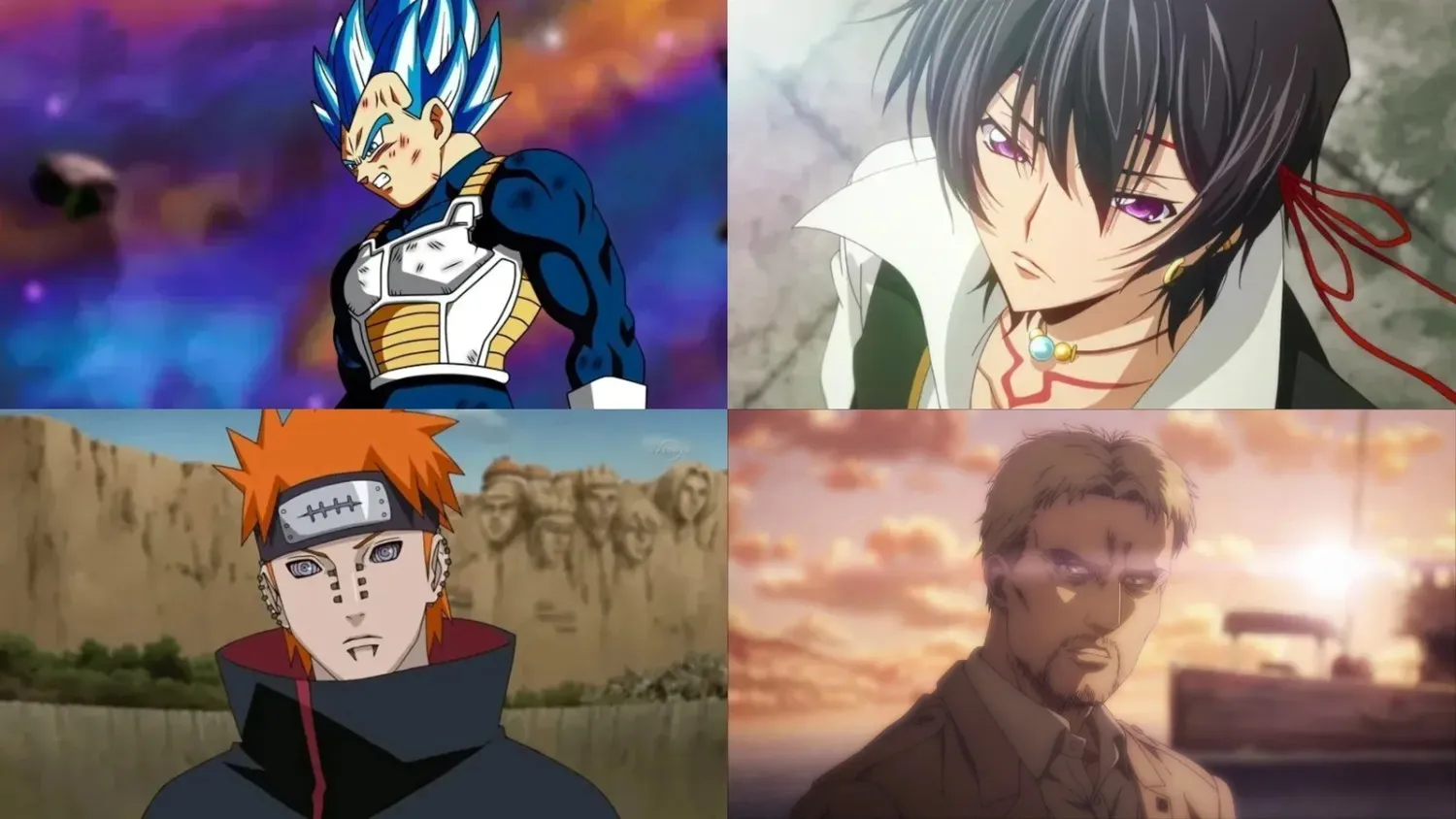
A well-written villain often contains more aura than the protagonist. They get the best lighting, best monologues, and even the coolest entrances.
But you know what really breaks the internet? When the villain looks at everything they’ve done and chooses to change.
Now, this change doesn’t happen because they were beaten or because they were forgiven. It happens because something inside them cracked. And that’s what really resonates with everyone.
The best redemption arcs in anime don’t just flip a character from evil to good. They drag them through guilt, trauma, ego death, and existential crisis, and somehow make us root for them. On that note, here are the 15 anime with the best redemption arcs that fans almost universally agree are top-tier.
15 Anime With the Best Redemption Arcs That Redefined Villains
Redemption only works when the fall was real. And every character on this list fell hard.
What makes these arcs legendary isn’t just the emotional payoff. It’s how deeply their worlds shape their descent, and how much it costs them to climb back up.
1. Vegeta — Dragon Ball Z
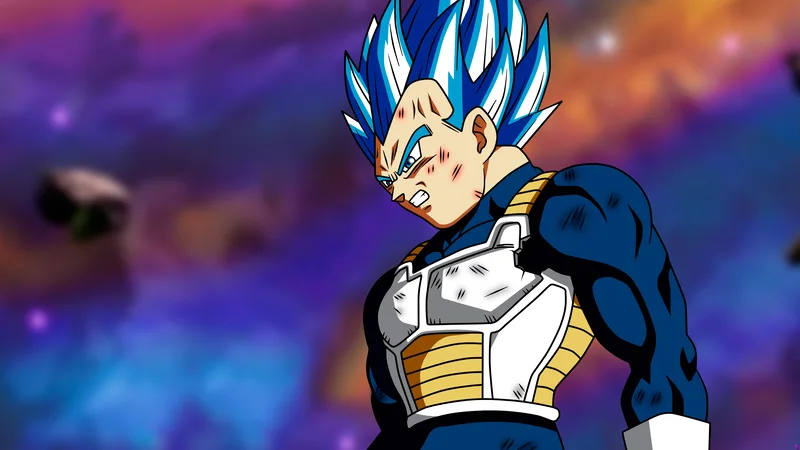
It’s easy to see morally grey characters turn good. But a genocidal price’s redemption is just too good to miss. You can’t really blame Vegeta because the Saiyan Empire raised him to see weakness as disposable and conquest as destiny.
That’s why his redemption is slow. He resents Earth, Goku, and the very thought of needing anyone.
Vegeta’s turning point isn’t an inspiring speech from the protagonist. It’s fatherhood. He realizes that strength isn’t domination.
When he sacrifices himself against Majin Buu, it’s the first time he fights for love instead of pride. That’s growth you can’t fake.
2. Zuko — Avatar: The Last Airbender
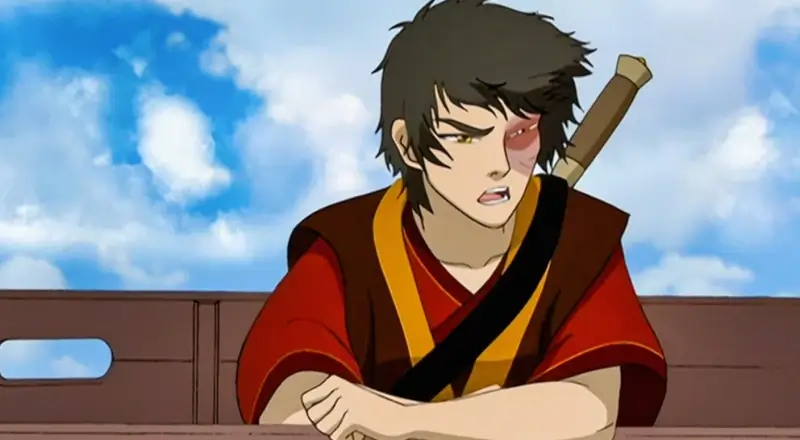
Zuko’s redemption is absolutely messy. He backslides, betrays Iroh, and almost chooses power again.
But just like Vegeta, you can’t hate him because the Fire Nation indoctrinated him from birth. He grew up believing that honor meant obedience and love meant approval. His entire identity was built on chasing validation from a tyrant.
So, when he defects, he doesn’t magically become good. He awkwardly asks to join the heroes but gets rejected. He has to earn trust. That’s why fans call this redemption the blueprint.
3. Itachi Uchiha — Naruto Shippuden
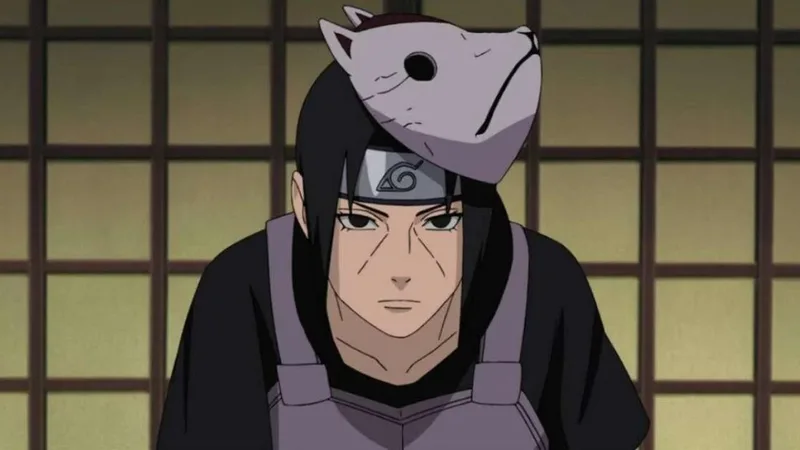
For years, Itachi was known as “that psychopath who killed his clan.” Then the narrative flips, and suddenly he’s a tragic pawn forced to choose between civil war and massacre.
Itachi’s redemption isn’t flashy. His story is devastating when you get to know the truth behind his extreme actions.
The shinobi world didn’t give him a good option. He lets himself be hated to preserve peace, and that was just the least catastrophic choice he could make. Decades will pass, and still Itachi’s arc will remain unforgettable.
4. Gaara — Naruto
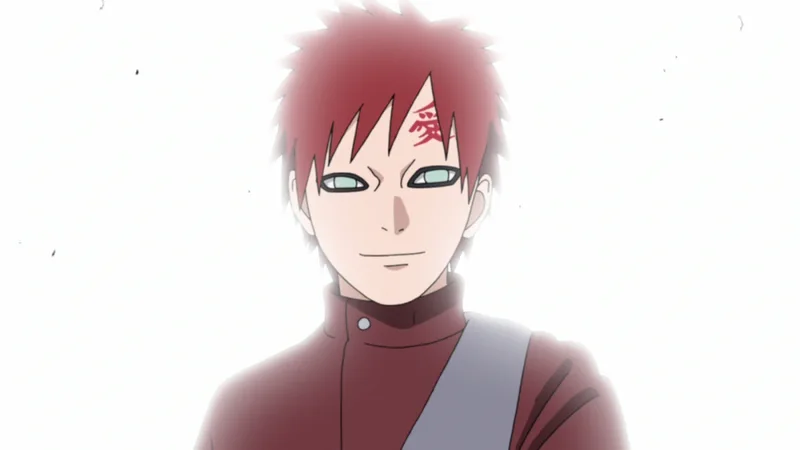
If there’s such a thing as a walking trauma response, then Gaara deserves the medal. He was weaponized as a child, feared by his own village, and told he existed only to kill. That’s gotta have some repercussions on someone’s psyche.
Well, Naruto doesn’t defeat him physically. He defeats the isolation.
Gaara doesn’t just become the good guy after his redemption. He becomes Kazekage. The same village that had once treated him like a monster now trusts him as leader. That’s a full-circle glow-up if any.
5. Endeavor — My Hero Academia
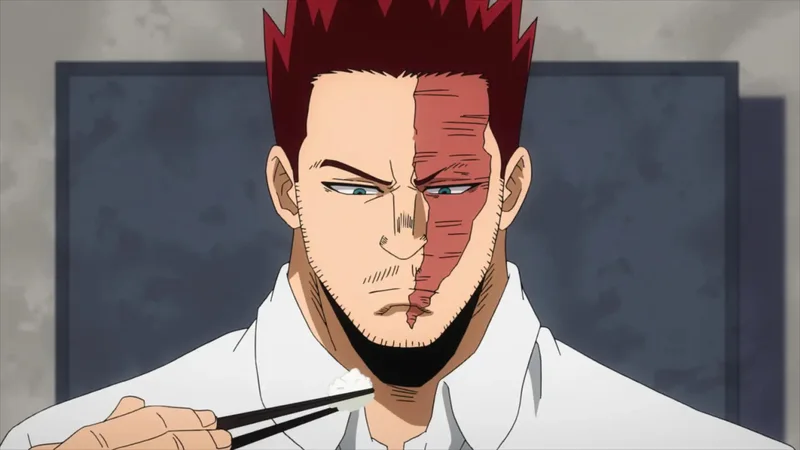
Endeavor’s redemption is a touchy subject in the fandom. It is uncomfortable, and that’s why it works so well. Unlike some entries in the list, Endeavor wasn’t a dramatic supervillain.
He was just a terrible father obsessed with legacy. His arc does not absolve him of his wrongdoings. In fact, his arc is all about confronting those wrongdoings, taking accountability for them, apologizing, and actually consciously changing his behavior.
You’re not expected to forgive him for his past wrongs, but you can acknowledge that the Endeavor in the final season is miles better than the one you met in Season 2.
6. Meruem — Hunter x Hunter
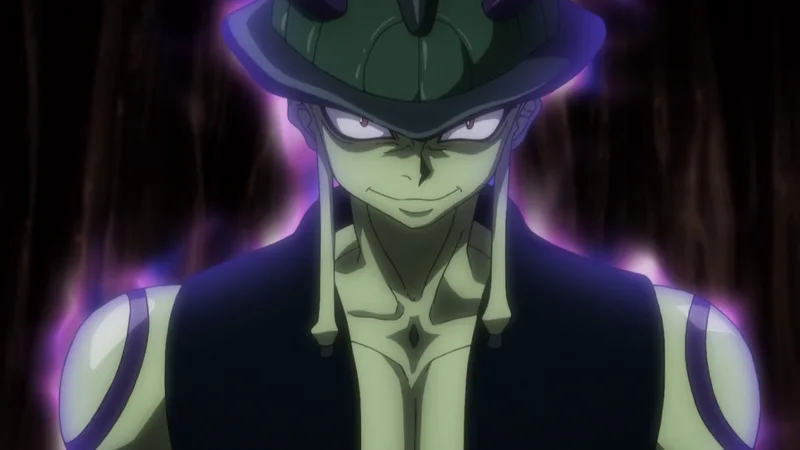
Meruem is born believing he’s superior. To him, humanity is food and nothing else. End of discussion.
Then he meets Komugi, a blind girl who beats him at a board game and treats him like a person. And that’s it.
Meruem’s redemption isn’t loud. It’s a quiet realization as he starts questioning hierarchy and valuing connection. In the end, he chooses to die beside Komugi instead of ruling the world.
That shift might seem microscopic, but it’s massive in terms of his character growth.
7. Scar — Fullmetal Alchemist: Brotherhood
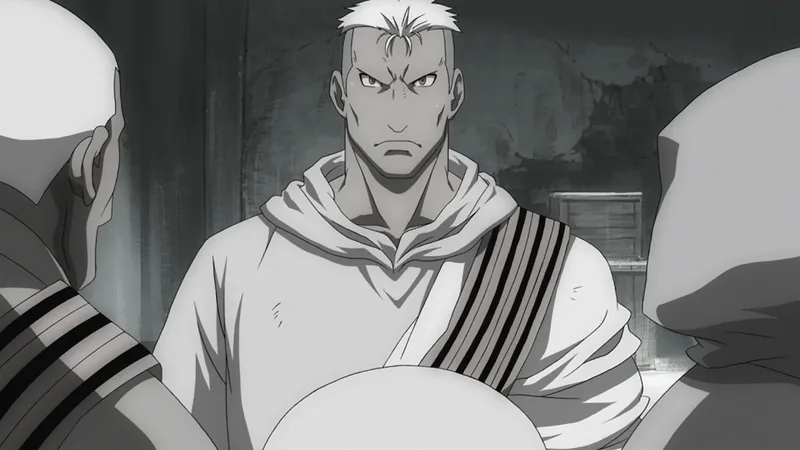
Vengeance and Scar went hand in hand. When Amestris slaughtered his people like animals, you understand why he is so angry all the time, and you accept that he has every right to take revenge.
Since his anger is justified, his redemption doesn’t remove that anger. It just evolves it. Instead of taking his revenge on random alchemists, he joins forces to dismantle the system responsible for the genocide of his people.
8. Reiner Braun — Attack on Titan
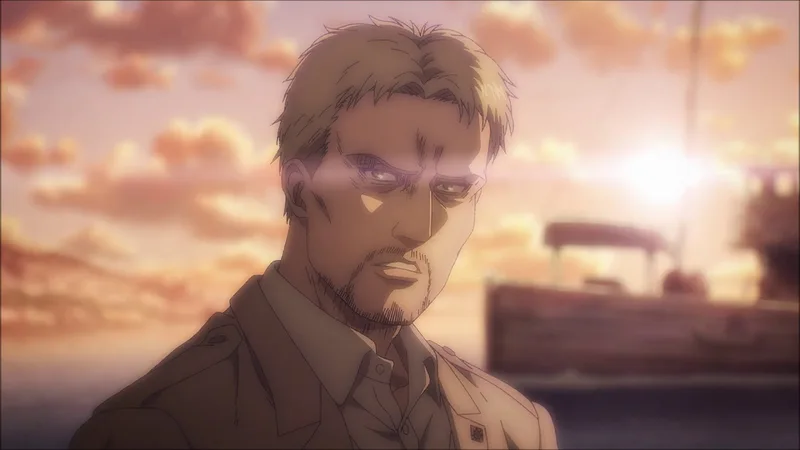
Now Reiner’s arc is just pain. He wasn’t evil just for the sake of it. He truly believed that genocide was heroism.
When the walls fall, and reality sinks in, he fractures (literally!). His redemption is all about surviving guilt and protecting kids from repeating his mistakes. In the morally chaotic world that he lives in, it’s as close to redemption as he can get.
9. Lelouch Lamperouge — Code Geass
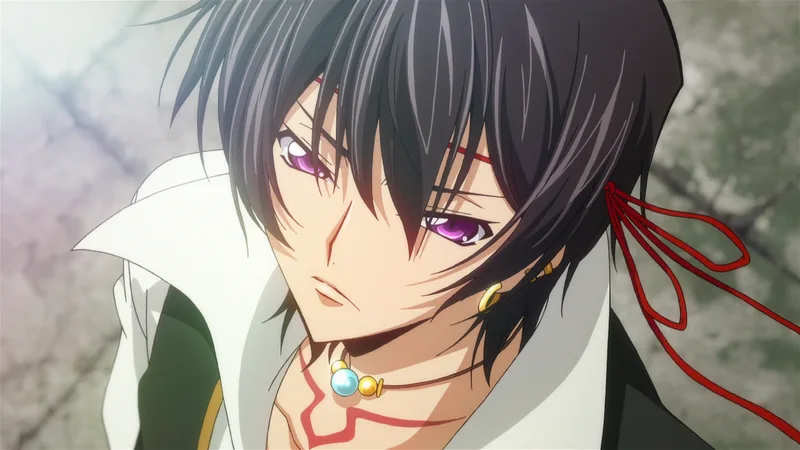
Villainy wasn’t thrust upon Lelouch by others. He chose it himself very strategically.
He manipulates, lies, and sacrifices allies all in the hopes of toppling a corrupt Empire, and he doesn’t even care that the world sees him as a tyrant by the end. The Zero Requiem really drives in the redemption.
Just when you think Lelouch has fallen off the deep end, he orchestrates his own death so the world can unite in relief. It’s redemption through martyrdom. Dramatic? Yes. Effective? Absolutely.
10. Obito Uchiha — Naruto Shippuden
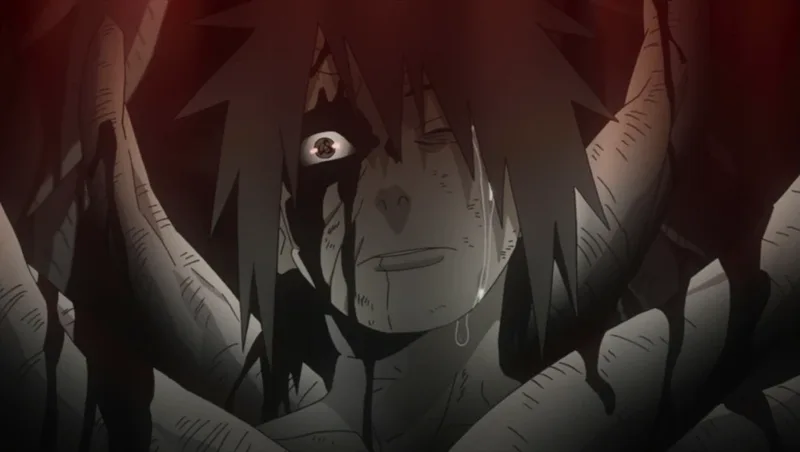
Obito’s fall is rooted in loss. The shinobi system crushes idealism, and all he can do is snap. He becomes the architect of global war, completely convinced that reality itself is broken.
His redemption comes when he realizes that Naruto still believes in the dream he abandoned. That realization hurt, and while his final sacrifice doesn’t undo the damage, it proves he wasn’t beyond saving.
11. Thorfinn — Vinland Saga
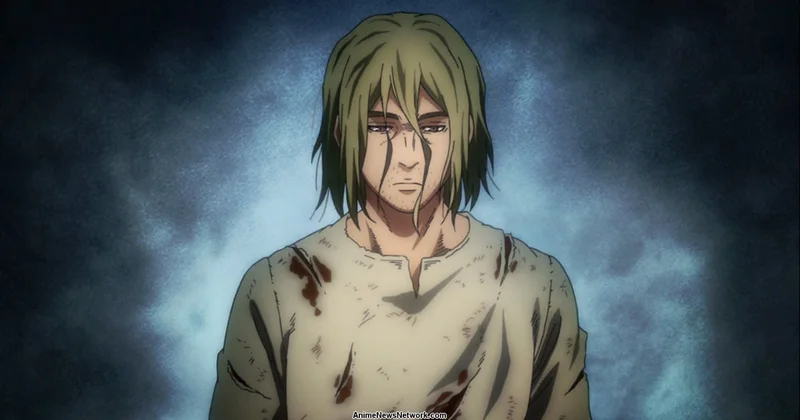
Thorfinn in Season 1 is a revenge machine who follows a simple rule: violence is survival, and mercy is weakness. With Season 2, that script does a whole 180 degrees.
He refuses to fight in a Viking world. His redemption is all about breaking the cycle. He chooses peace even when violence would be easier. Now that’s real character growth.
12. Greed — Fullmetal Alchemist: Brotherhood
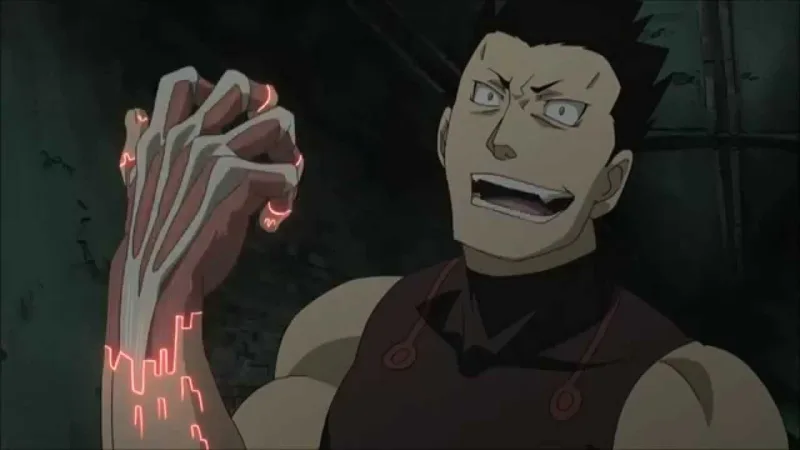
Greed wants everything. Power, immortality, and control are just some of the things he’d tick off his list on any random day.
But living inside Ling changes him. He experiences friendship, loyalty, and trust, and the target of his greed changes. When he sacrifices himself, he creates a poetic irony.
The embodiment of selfishness dies selflessly. You can’t write a character arc better than that.
13. Askeladd — Vinland Saga
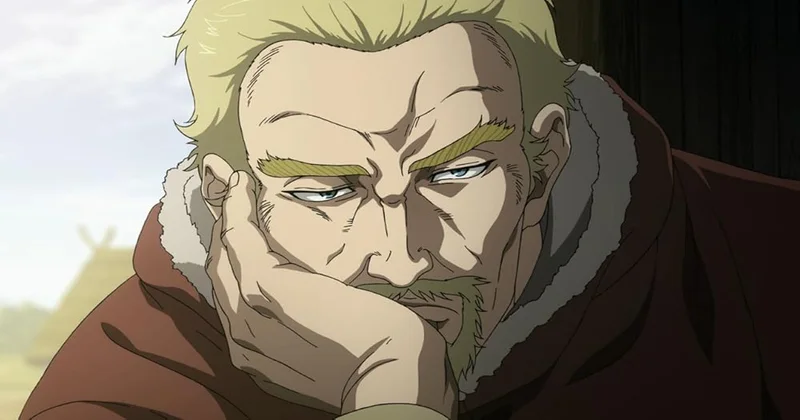
Askeladd seems like the perfect villain who manipulates everyone, lies effortlessly, and kills without hesitation. He’s the classic villain package all in one. But there’s a catch.
Beneath his villainy is fierce loyalty to Wales. His entire villain persona is a survival strategy.
Just like Lelouch, his final act isn’t random at all. Instead, it is calculated rebellion. He dies protecting his homeland, revealing that even the coldest schemers have lines they won’t cross.
14. Pain (Nagato) — Naruto Shippuden
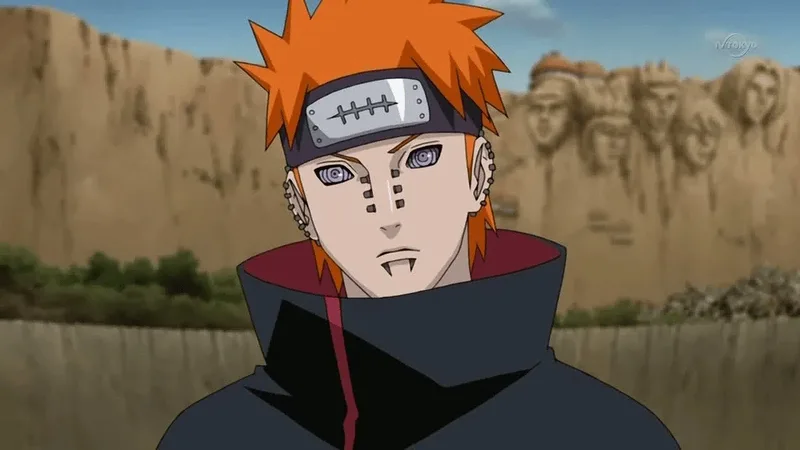
Nagato believes that suffering creates peace. If everyone experiences pain, no one will want war. Now, that’s twisted, but you have to agree there’s some logic behind that kind of thinking.
After leveling Konoha, Naruto challenges him with ideology instead of throwing fists around. When Nagato revives the people he killed, it’s a massive gamble on hope. It’s him admitting his philosophy failed, and that vulnerability is redemption itself.
15. Accelerator — A Certain Magical Index
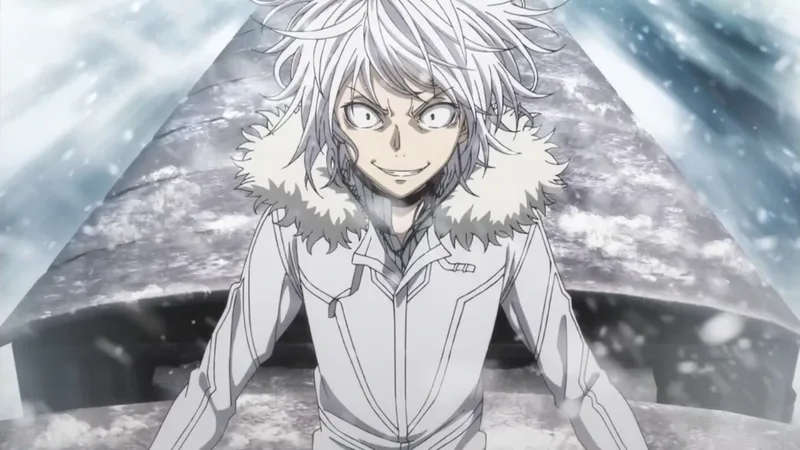
Accelerator was designed to be a weapon. Since the Academy City rewarded brutality, he just delivered what was expected.
After confronting the reality of the clones he slaughtered, the guilt hits hard. It transforms him from an unstoppable monster to someone who shields the vulnerable. It’s the same power, but used in completely different ways.
Why These Anime Truly Have the Best Redemption Arcs
The thing about the best redemption arcs in anime is that they don’t pretend the damage didn’t happen.
Vegeta still remembers the planets he destroyed. Reiner still hears the screams. Endeavor still lives with his family’s pain. The guilt stays.
What changes is the choice.
And that’s why these arcs resonate so hard. They’re about accountability and about breaking generational cycles.
These arcs show that redemption isn’t clean. It’s awkward, it’s painful, and sometimes it costs your life. But when an anime commits to it, it delivers some of the most powerful character growth in storytelling, period.

Writer. Dreamer. Journalist (maybe?). Anime lover (definitely). I turn curiosity into stories and everyday life into a narrative worth reading.
Note: Some of the links on this page are affiliate links, which means we may earn a small commission if you choose to make a purchase through them-at no extra cost to you. We only recommend products and services we genuinely believe in and find useful.