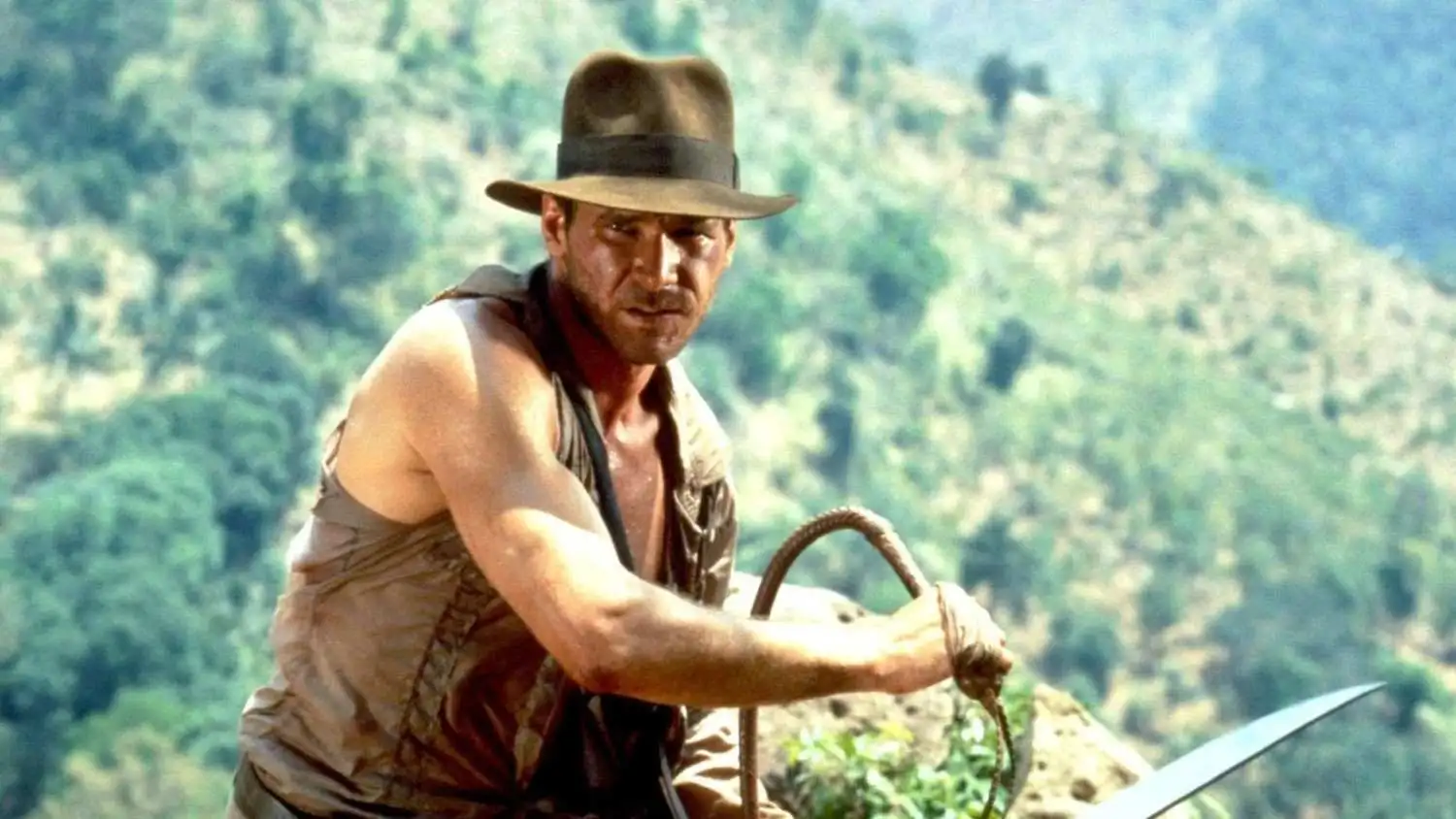
If blockbuster franchises could learn one thing from Indiana Jones, it is restraint. In more than four decades, there have only been five movies, each built around the same irresistible formula of ancient relics, impossible escapes, and Harrison Ford making archaeology look far more dangerous than any university brochure ever promised.
That also makes the series refreshingly easy to watch. The only point of confusion is Indiana Jones and the Temple of Doom, which is set before Raiders of the Lost Ark despite releasing three years later.
While you can watch the films chronologically, release order is still the better choice. The series evolves naturally, and the prequel lands better once Indiana Jones has already become a legend.
Indiana Jones Movies in Order of Release Dates
One reason the Indiana Jones movies have remained so rewatchable is that they rarely repeat themselves. Every sequel keeps the globe-trotting adventure intact but changes something meaningful, whether it’s the tone, the artifact, or the people traveling alongside Indy.
So, if you want to follow the journey from start to finish, here’s the easy masterlist you should be following:
| Order | Movie | Release Year | Director | Runtime | IMDb Rating* |
| 1 | Raiders of the Lost Ark | 1981 | Steven Spielberg | 115 min | 8.4/10 |
| 2 | Indiana Jones and the Temple of Doom | 1984 | Steven Spielberg | 118 min | 7.5/10 |
| 3 | Indiana Jones and the Last Crusade | 1989 | Steven Spielberg | 127 min | 8.2/10 |
| 4 | Indiana Jones and the Kingdom of the Crystal Skull | 2008 | Steven Spielberg | 122 min | 6.2/10 |
| 5 | Indiana Jones and the Dial of Destiny | 2023 | James Mangold | 154 min | 6.5/10 |
*IMDb scores are subject to change.
Detailed Analysis of All Indiana Jones Movies in Order
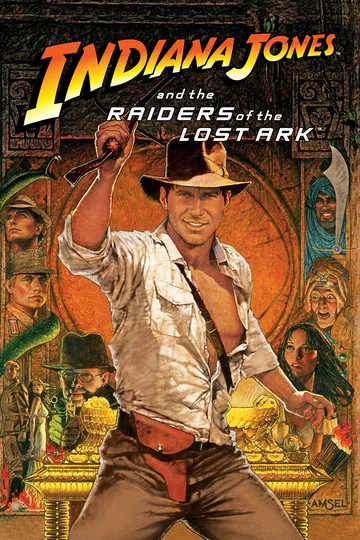
1. Raiders of the Lost Ark (1981)
| Release Year | Director | Runtime | IMDb Rating |
| 1981 | Steven Spielberg | 115 min | 8.4/10 |
Ask ten Indiana Jones fans to rank the movies, and you’ll usually hear the same debate: Raiders of the Lost Ark or The Last Crusade? The fact that the conversation has barely changed in over 40 years tells you everything you need to know about Raiders.
What’s striking on a rewatch is how effortlessly the film balances spectacle with character. Indiana Jones is constantly outnumbered, makes bad calls, and spends as much time reacting as he does planning. That’s exactly what makes him so easy to root for.
It’s also remarkable how little of Raiders feels dated. The practical stunts still have real weight, John Williams’ score remains instantly recognizable, and Spielberg’s pacing barely gives the film a chance to catch its breath. More than four decades later, it’s still the movie every Indiana Jones sequel ends up being measured against.
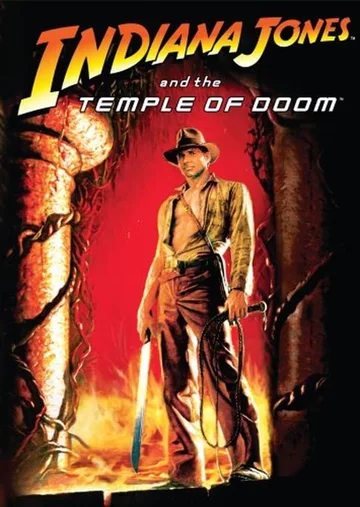
2. Indiana Jones and the Temple of Doom (1984)
| Release Year | Director | Runtime | IMDb Rating |
| 1984 | Steven Spielberg | 118 min | 7.5/10 |
No Indiana Jones movie has had a bigger reputation makeover than Temple of Doom. Once dismissed as the weakest of Spielberg’s trilogy, it’s now the franchise’s wildcard.
Setting the story a year before Raiders, Spielberg swaps Nazi treasure hunts for a pulpy tale of cursed stones, underground cults, and one of the darkest finales in the series. It’s louder, stranger, and far more horror-leaning than any other Indiana Jones film, but that willingness to take risks is exactly why it has aged better than many expected.
Temple of Doom may never be as universally loved as Raiders or The Last Crusade, but it’s also the film that proves the series wasn’t interested in repeating itself. For better or worse, every Indiana Jones movie after this would play things a little safer.
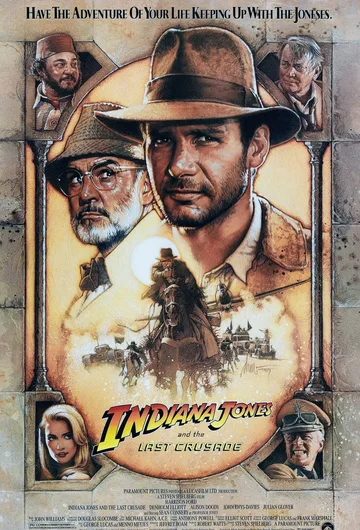
3. Indiana Jones and the Last Crusade (1989)
| Release Year | Director | Runtime | IMDb Rating |
| 1989 | Steven Spielberg | 127 min | 8.2/10 |
If Raiders made Indiana Jones an icon, The Last Crusade made him human. Pairing Harrison Ford with Sean Connery was a masterstroke, turning another artifact hunt into a surprisingly funny father-son story without sacrificing the adventure.
The search for the Holy Grail brings back the globe-trotting spirit of Raiders, but it’s the chemistry between Indy and his father that steals the show. Their constant bickering adds warmth to the film and gives Indy more depth than he’d had before.
For many fans, Last Crusade is the perfect sequel. It recaptures the excitement of the original while carving out its own identity, making it a strong contender for the best film in the franchise.
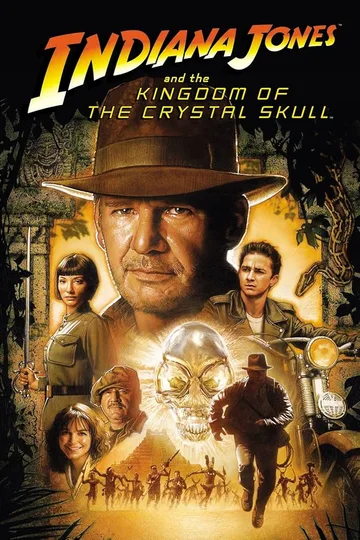
4. Indiana Jones and the Kingdom of the Crystal Skull (2008)
| Release Year | Director | Runtime | IMDb Rating |
| 2008 | Steven Spielberg | 122 min | 6.2/10 |
After a 19-year break, Kingdom of the Crystal Skull arrived with expectations few sequels could realistically meet. Much of the conversation still revolves around its more controversial moments, but that often overshadows what the movie gets right.
Moving the story into the Cold War era gives the franchise a fresh backdrop, while an older Indiana Jones remains an entertaining hero even if he’s no longer outrunning every threat. The shift from biblical relics to science fiction divides opinion, but at least it gives the film its own identity instead of copying Raiders.
It’s an uneven sequel, but not the disaster its reputation sometimes suggests. Revisited on its own terms, it’s easier to appreciate as an enjoyable, if flawed, return to the character.
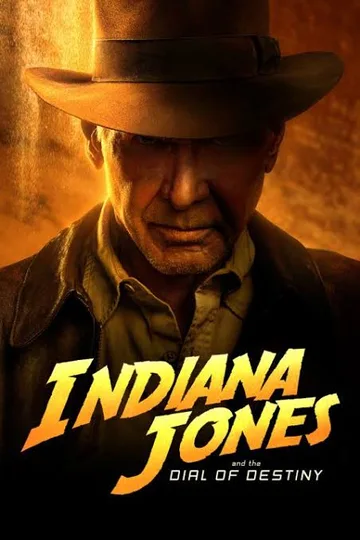
5. Indiana Jones and the Dial of Destiny (2023)
| Release Year | Director | Runtime | IMDb Rating |
| 2023 | James Mangold | 154 min | 6.5/10 |
Dial of Destiny had to give Indiana Jones a satisfying farewell. Rather than trying to outdo Spielberg’s classics, director James Mangold focuses on an older Indy confronting a world that’s moved on without him.
The de-aged opening sequence delivers the closest the film comes to classic Indiana Jones, but its emotional core lies in seeing Harrison Ford play the character with a little more weariness and reflection than before. It’s a different kind of adventure, one that’s less interested in nonstop spectacle than in bringing the series to a meaningful close.
While it doesn’t reach the heights of the original trilogy, Dial of Destiny is a respectful send-off that reminds audiences why Indiana Jones remained one of cinema’s most beloved adventurers for over four decades.
How to Watch the Indiana Jones Movies in Chronological Order
The release order is still the best way to experience Indiana Jones, but the timeline changes in one place. Temple of Doom is set in 1935, a year before Raiders of the Lost Ark, making it the first adventure in Indy’s timeline.
Chronologically, the movies unfold like this:
- Indiana Jones and the Temple of Doom (1984)
- Raiders of the Lost Ark (1981)
- Indiana Jones and the Last Crusade (1989)
- Indiana Jones and the Kingdom of the Crystal Skull (2008)
- Indiana Jones and the Dial of Destiny (2023)
Watching them this way places Indy’s adventures in historical order, but it also removes some of the mystery surrounding the character. For first-time viewers, release order remains the more rewarding experience.
Is It Worth It To Watch Indiana Jones Movies in Order?
Absolutely. While each Indiana Jones movie tells a largely self-contained adventure, watching them in release order lets you see both the character and the franchise evolve naturally.
From the near-perfect adventure of Raiders of the Lost Ark to the reflective farewell in Dial of Destiny, each film adds something different without losing the sense of discovery that defines the series. With only five movies, it’s also one of the easiest blockbuster franchises to complete.

Writer. Dreamer. Journalist (maybe?). Anime lover (definitely). I turn curiosity into stories and everyday life into a narrative worth reading.
Note: Some of the links on this page are affiliate links, which means we may earn a small commission if you choose to make a purchase through them-at no extra cost to you. We only recommend products and services we genuinely believe in and find useful.